
A home is far more than just a physical shelter; it is a living canvas that reflects who you are, how you think, and what you value. When you step through your front door, the environment should immediately greet you with a sense of belonging and comfort. Unfortunately, many modern homes suffer from a lack of identity, built with cookie-cutter materials and generic layouts that can leave your living spaces feeling hollow or uninspired. Customizing your interior aesthetic is the antidote to this architectural monotony. By intentionally tailoring your surroundings, you actively shape your daily mood, boost your productivity, and create a sanctuary that fosters true well-being.
To truly customize a home, you must move past the rigid boundaries of fleeting social media design trends. It is easy to get caught up in labels like farmhouse, mid-century modern, or ultra-minimalism, but a truly bespoke home ignores strict adherence to a single catalog style. Instead, a successful interior aesthetic weaves together elements of different eras, textures, and personal memories into a cohesive visual narrative. The goal is to design a space that looks like it evolved naturally over time rather than being delivered in a single box.
An actionable, deep-dive roadmap can transform your living spaces from standard to extraordinary. Exploring how to make high-impact structural adjustments in central hubs, how to turn utilitarian zones into private retreats, and how to master the art of surface textures and light control can elevate your home’s personalization. By approaching your home design with intention, patience, and a clear strategy, you can elevate every square foot of your property into a striking, functional masterpiece.
Reimagining High-Traffic Hubs for Form and Function

The busiest areas of a house set the stylistic tone for the rest of the interior. When a guest walks into your living, dining, or cooking spaces, they should instantly understand the design language of the entire home. To achieve this, you need to establish a strong visual anchor—a central focal point that commands attention and dictates the color palette and material choices for the surrounding rooms. However, beauty must never compromise utility. True custom luxury lies at the intersection of a striking visual presence and effortless everyday ergonomics.
To balance form and function effectively, consider how you move through these spaces on a daily basis. Traffic lanes should be wide and unobstructed, and frequently used items should be stored within an intuitive reach. One of the best ways to customize these high-traffic hubs is to rethink your cabinetry and food preparation zones. Blending open shelving with deeply recessed, custom-faced cabinets allows you to display curated pottery and heirloom glassware while keeping bulky appliances hidden out of view.
When planning a comprehensive kitchen remodeling project, focusing on the finer touchpoints can elevate the room from ordinary to artisanal. Swapping out standard builders’ grade hardware for heavy, solid-brass pulls or sleek matte-black fixtures establishes an immediate sense of quality. Furthermore, selecting the right surfaces can completely redefine the room’s energy. It pays dividends to research local countertop companies to source rare, deeply veined quartzites or dramatic soapstones rather than settling for standard composite options. A unique, beautifully cut custom countertop acts as a piece of natural art, anchoring the room and providing a durable, stunning surface that will gracefully withstand decades of daily use.
- Keep a minimum of thirty-six inches of clearance in high-traffic pathways to ensure the room feels spacious and accessible.
- Use under-cabinet LED strip lighting with a warm profile to illuminate workspace surfaces and eliminate harsh shadows.
- Select contrasting finishes for your central island to break up visual monotony and create a distinct architectural feature.
- Incorporate soft-close hinges and integrated organizers within deep drawers to maximize storage efficiency and maintain a clean exterior profile.
Transforming the Bathroom into a Private Sanctuary
For many years, bathrooms were viewed as strictly utilitarian spaces—places to get ready in the morning and nothing more. Modern interior customization rejects this clinical approach, opting instead to treat the bathroom as a private, micro-spa sanctuary. This design philosophy focuses heavily on relaxation, sensory comfort, and the careful manipulation of light and transparency. By prioritizing luxury materials and minimalist design lines, even a compact bathroom can be transformed into a deeply peaceful retreat where you can unwind at the end of a long day.
Maximizing the feeling of physical and visual square footage is critical when designing a spa-like bath. Heavy, opaque elements tend to close a room in, making it feel cramped and dark. To counteract this, custom layouts lean heavily on seamless transitions. Extending your floor tile directly into the showering zone without a raised curb creates an unbroken line of sight that instantly tricks the eye into perceiving a much larger space.
If you are currently undertaking a bathroom remodeling venture, the materials you choose for enclosure and partition will dictate the entire atmosphere. Forgoing dark, heavy plastic frames or generic fabric curtains in favor of custom shower glass doors allows natural light to flood every corner of the room. The transparency of high-quality glass highlights intricate tilework and keeps the space looking crisp, clean, and bright. When paired with smart, layered illumination—such as dimmable wall sconces flanking the vanity mirror and subtle accent lighting nestled beneath a floating vanity—the entire room transforms into an oasis of calm.
- Install a programmable radiant floor heating system beneath your tiles to provide gentle, luxurious warmth underfoot during colder mornings.
- Opt for concealed or wall-mounted plumbing fixtures to save space and achieve a ultra-clean, contemporary aesthetic.
- Use large-format porcelain tiles on the walls to minimize grout lines, creating a sleek appearance that is incredibly easy to clean.
- Incorporate built-in niches within the wall structure to keep premium shampoos and soaps organized and elegantly displayed.
Elevating Surfaces with Texture, Color, and Dimension
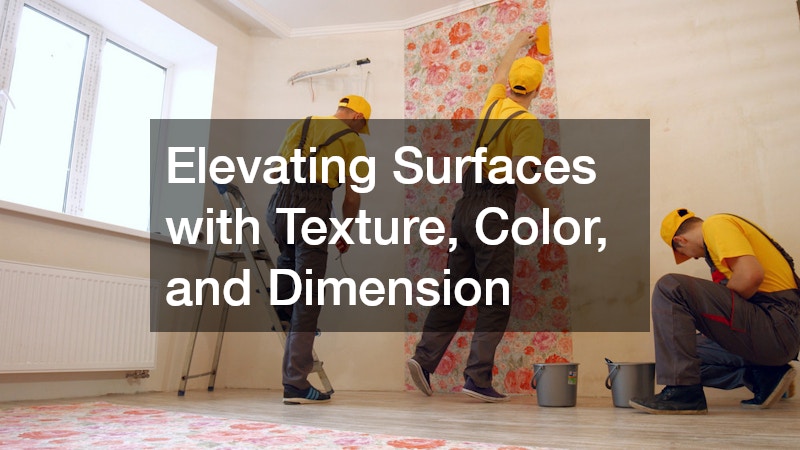
Walls and ceilings represent the largest surface areas in any home, yet they are frequently overlooked during the customization process. Leaving walls flat and coated in standard off-white paint is a missed opportunity to inject personality and depth into your home. The colors and textures you choose for your surfaces dictate the psychological energy of each room. Deep, moody tones can make a library or primary bedroom feel intimate, secure, and cozy, while bright, reflective finishes can make a sunroom or entryway feel expansive and uplifting.
To move beyond the ordinary, you should look for ways to layer tactile elements onto your walls. Flat drywall can often feel sterile and uninviting, but introducing dimension changes how light interacts with the room throughout the day. Feature walls are an excellent tool for this, provided they are executed with restraint and high-quality materials. Instead of simply changing the paint color on a single wall, consider introducing materials that invite you to reach out and touch them, creating a rich sensory experience.
- Install a bold, sophisticated accent wall using custom wallpaper featuring intricate botanical prints, rich metallic threads, or textured grasscloth.
- Employ a professional painting company to apply specialized techniques like limewashing, Venetian plaster, or a flawless level-five matte finish on smooth surfaces.
- Experiment with architectural millwork, such as floor-to-ceiling board and batten or delicate picture-frame molding, to give plain rooms historical character.
- Always test large paint and material swatches on different walls, observing them in morning, afternoon, and evening light before finalizing your selection.
Controlling Natural Light and Enhancing Privacy

A beautiful interior design can easily be ruined by poor light management. Harsh glare can wash out your carefully selected color palettes, while excessive heat buildup can make a gorgeous room completely uncomfortable to sit in. Customizing your home’s aesthetic requires a sophisticated approach to managing natural light—one that balances the desire for bright, sun-drenched interiors with the practical need for privacy and protection from the elements. Windows should be viewed as dynamic frames that connect your indoor sanctuary with the outside world, and controlling how light enters those frames is an art form.
To achieve total control over your environment, a layered approach to window treatments is highly effective. Relying on a single set of curtains rarely provides the flexibility needed for different times of day. By combining hard window treatments that regulate light angles with soft, textile-based treatments that absorb sound and add elegance, you can create a highly adaptable system.
- Implement sleek, motorized window blinds that can be programmed to open and close automatically based on the position of the sun or your daily routine.
- Employing a residential window tinting company to modify large glass expanses and block damaging ultraviolet rays, protect precious artwork from fading, and lower cooling costs.
- Choose top-down, bottom-up shade designs for ground-floor spaces to let in the blue sky while blocking the view of passersby completely.
- Install floor-to-ceiling drapery panels slightly outside the actual window frame to make your ceilings look significantly taller than they are.
Curation Over Collection: Selecting Statement Furniture

One of the most common mistakes homeowners make when trying to establish an interior aesthetic is rushing out to buy matching furniture sets from a single showroom floor. While this approach is convenient, it instantly strips a home of its character, making it look generic and commercial. A truly customized home relies on curation rather than mere collection. Your furniture should feel like a carefully gathered group of individual pieces that share a common thread—whether through scale, wood tone, or silhouette—while still possessing their own unique identities.
When selecting furniture, scale and proportion are absolutely paramount. A massive sectional sofa can swallow a modest living room whole, making the space feel cramped and poorly planned. Conversely, delicate, spindly chairs can look lost and insignificant in a room with soaring double-height ceilings. Before making any purchases, it is essential to map out the footprint of your rooms. You can use blue painter’s tape on the floor to physically mark where each piece will sit, ensuring that you maintain a comfortable flow of movement throughout the space.
To build a curated look that feels authentic, vary the sources of your items. Spending time visiting independent furniture stores, antique markets, and custom woodworking shops allows you to find standout anchor pieces that cannot be found anywhere else. Try applying the eighty-twenty rule of interior design: keep eighty percent of your large, foundational items classic, clean-lined, and neutral, and use the remaining twenty percent for bold, expressive statement pieces. A vintage leather armchair, a hand-carved coffee table, or a vibrant velvet chaise lounge can inject an enormous amount of visual interest and personality into an otherwise quiet room, serving as an excellent conversation starter for guests.
- Maintain at least thirty inches of walking space between furniture pieces to ensure comfortable movement and prevent a cluttered appearance.
- Mix different wood species within the same room, but ensure they share a similar undertone—such as keeping all woods within a warm or cool family.
- Layer different textiles, matching smooth leathers with chunky bouclé fabrics and crisp linens to create a rich, inviting sensory experience.
- Invest in high-quality, sustainably sourced foundational pieces like sofas and dining tables that feature solid-wood joinery and durable, high-rub-count fabrics.
Customizing your home’s interior aesthetic is not a project with a definitive finish line; rather, it is an ongoing journey of refinement and self-expression. As you grow, travel, and discover new passions, your living spaces should adapt to reflect those changes. Building a truly bespoke home requires patience, a willingness to step outside of standard design comfort zones, and a commitment to choosing quality and character over convenience.
By taking a systematic approach—focusing first on the architectural flow of your high-traffic rooms, upgrading your private zones, enriching your surfaces, and mindfully managing light and furniture curation—you can craft an environment that feels uniquely yours. Do not feel pressured to transform every single room in your house over a single weekend. True design depth takes time to cultivate. Find one small project that resonates with you today, whether it is upgrading a light fixture, hanging a beautiful textile, or planning a major structural change, and take that first exciting step toward turning your house into a soulful, custom home.