A beautiful home is more than curated furniture and trendy paint colors. True luxury lies in the balance of aesthetics and structural well-being. You can buy the best velvet sofa, but if the room is drafty, damp, or poorly lit, it won’t feel welcoming. Homeowners often spend on cosmetics, ignoring foundational, environmental, and structural elements that affect daily comfort.
To build a sanctuary, look beneath the surface. A home requires a holistic approach, treating each room as an ecosystem with its own climate, lighting, and structural needs. By addressing these factors with your design choices, you create a stunning, efficient home that offers total comfort from the moment you enter.
Mastering Temperature and Natural Light in Living Spaces
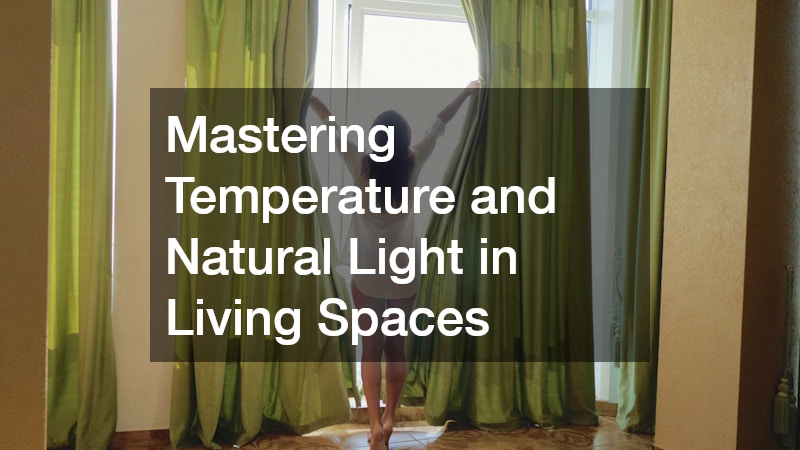
The living room serves as the emotional heart of the home. It is where families gather to unwind, guests are entertained, and a significant portion of daily life unfolds. Because this area is a high-traffic zone often characterized by large windows and open floor plans, maintaining a consistent, inviting climate while maximizing natural daylight is a primary design challenge.
Daylighting is the practice of placing windows and reflective surfaces so that natural light provides effective internal illumination during the day. When executed properly, daylighting makes a living room feel vastly more expansive and visually dynamic. However, unrestricted sunlight introduces two major problems: intense glare and solar heat gain. To strike the perfect balance, consider the following environmental adjustments:
- Implement Layered Window Treatments: Combine sheer curtains, which diffuse harsh sunlight and eliminate glare without blocking light, with heavy, insulated drapes that can be closed during the hottest parts of the day or chilly winter nights.
- Utilize Low-E Glass Upgrades: If your current windows are older, single-pane units, they are likely leaking conditioned air and allowing harmful UV rays to fade your expensive furniture and artwork. Investing in a professional window replacement service is one of the most impactful ways to stabilize indoor temperatures and protect your interior investments. Modern multi-pane windows feature microscopic metallic oxide coatings that reflect infrared heat while letting visible light pass through.
- Introduce Zoned Climate Control: Open-concept living areas often suffer from hot and cold spots because standard single-thermostat systems cannot accurately read the temperature across a massive, combined space. Engaging professional HVAC services to install a zoned system or smart sensors allows your heating and cooling setup to adjust dynamically based on real-time usage and sunlight exposure. This ensures your main gathering space remains perfectly comfortable without forcing your system to overwork.
By pairing smart climate technology with high-performance building materials, your living room becomes an energy-efficient oasis that stays warm in the winter, cool in the summer, and beautifully illuminated all year long.
Balancing Culinary Utility With Social Sophistication
The modern kitchen has evolved from an isolated, utilitarian workspace into a social hub where cooking, dining, and conversation blend seamlessly. Because the kitchen must handle intense physical activity, high humidity, and heavy foot traffic, every design choice must balance aesthetic sophistication with rugged durability.
The foundation of a great kitchen is its spatial layout, often dictated by the classic work triangle, which optimizes the distance between the refrigerator, the sink, and the cooking range. When these three elements are spaced too far apart, cooking feels like an exhausting marathon; when they are too close, multiple cooks collide. Beyond the physical layout, managing the heavy moisture, heat, and grease generated by cooking is vital for maintaining comfort.
- Establish Multi-Layered Lighting: A single, central overhead light fixture creates shadows precisely where you need to see. Instead, break your lighting into three distinct layers: task lighting (under-cabinet LED strips to illuminate cutting boards), ambient lighting (recessed ceiling lights for overall visibility), and accent lighting (pendant lights over an island to create visual interest and a warm evening mood).
- Prioritize High-Performance Surfaces: Kitchen floors take an absolute beating from dropped utensils, spilled liquids, and constant foot traffic. Working with specialized flooring contractors ensures you select a material that can withstand this environment without sacrificing style. Engineered hardwood, large-format porcelain tile, and luxury vinyl plank offer the rich, warm textures of natural wood or stone while providing excellent water resistance and ease of cleaning.
- Invest in Structural Optimization: Because the kitchen involves intricate plumbing lines, high-voltage electrical circuits, and dedicated gas connections, attempting a piecemeal cosmetic remodel often leads to long-term functional headaches. Partnering with an experienced kitchen contractor allows you to reconfigure walls, optimize cabinet storage, and install professional-grade ventilation systems that quietly whisk away cooking odors and excess moisture before they migrate into the rest of the house.
A properly engineered kitchen feels effortless to cook in and remains entirely comfortable for guests to linger in long after the meal has been served.
Cultivating a Sensory Sanctuary for Sleep

While the rest of the home is designed for activity and social interaction, the primary bedroom demands the exact opposite approach. This space should be a low-sensory environment entirely dedicated to relaxation, stress reduction, and deep, restorative sleep.
Sleep science demonstrates that human biology is highly sensitive to environmental cues. Your core body temperature naturally drops as you prepare for sleep, meaning that an overly warm bedroom can severely disrupt your circadian rhythm and limit time spent in deep REM sleep cycles. To transform your bedroom into a true sleep sanctuary, focus on absolute climate control and premium comfort materials:
- Optimize the Microclimate: Sleep experts universally agree that the ideal ambient temperature for high-quality sleep is surprisingly cool, generally between 60 and 67 degrees Fahrenheit. Achieving this consistently without freezing the rest of your household can be difficult with a centralized heating and cooling system. Consulting a reputable air conditioning company to install a ductless mini-split system or an ultra-quiet, dedicated bedroom zone allows you to customize your evening climate with precision, ensuring whisper-quiet operation throughout the night.
- Dampen Environmental Acoustics: Sound pollution is a major contributor to micro-arousals—brief awakenings during the night that you might not even remember, but which leave you feeling exhausted in the morning. Use plush area rugs, upholstered headboards, and heavy woven wall hangings to absorb internal echoes and block out external street noise.
- Invest in Orthopedic Alignment: The single most critical piece of furniture in your home is the one you spend a third of your life on. High-quality mattresses are not a luxury; they are a health necessity. Whether you prefer the contouring hug of pressure-relieving memory foam, the responsive bounce of an innerspring system, or a balanced hybrid design, your bed must support your natural spinal alignment and distribute body weight evenly to prevent morning aches.
When you control the light, the sound, the temperature, and the physical support of your sleeping environment, your bedroom becomes a powerful engine for daily rejuvenation.
Creating an Everyday Luxury Spa Experience

Bathrooms are no longer viewed as purely functional, sterile spaces where you quickly get ready in the morning. Modern design embraces the bathroom as a private wellness retreat—a place to wash away the stresses of the day through warm water, beautiful materials, and a serene atmosphere.
Because the bathroom handles direct water contact and extreme humidity spikes every single day, achieving a spa-like aesthetic requires meticulous structural preparation. Without proper moisture barrier systems beneath the surface, even the most beautiful bathroom will eventually succumb to mold, peeling paint, and structural rot.
- Install High-Volume Ventilation: A gorgeous bathroom loses all its appeal if the mirror is perpetually fogged and the walls are slick with condensation. Ensure your exhaust fan is rated properly for the square footage of the room and left running for at least twenty minutes after every shower to completely purge humid air from the space.
- Design for Fluidity and Safety: Modern luxury bathrooms favor open layouts, such as curbless walk-in showers and freestanding soaking tubs. Eliminating traditional barriers creates a seamless, visually expanding look that makes even smaller bathrooms feel like grand boutique hotels.
- Focus on Detail and Material Execution: The visual and tactile centerpiece of any luxury bathroom is the wet-zone tile work. Hiring expert shower tile contractors is essential to ensure that subfloor mud beds are perfectly sloped toward the drain, waterproof membranes are completely sealed, and premium tiles are laid with flawless alignment. From large-format marble tiles that minimize grout lines to intricate mosaic accent walls, professional installation guarantees that your private oasis remains watertight and pristine for decades.
Adding premium touches like underfloor heating mats, thermostatic shower valves that memorize your preferred water temperature, and dimmable accent lighting allows you to step out of the daily grind and into a personal spa experience every single morning.
Transforming Underutilized Below-Grade Square Footage
For many homeowners, the basement is an intimidating, neglected space used only for stowing away seasonal decorations and old storage boxes. It is frequently plagued by a distinct chill, poor lighting, and a musty odor. However, reclaiming this lower level offers an incredible opportunity to significantly increase your livable square footage, creating space for a home theater, a secluded home office, a dedicated fitness center, or a private guest suite.
Converting a subterranean space into a cozy, inviting environment requires directly confronting the natural physics of being below ground level. Soil holds an immense amount of moisture, and hydrostatic pressure constantly pushes that water against your home’s foundation.
- Secure the Structural Envelope: Before a single sheet of drywall is hung or a piece of furniture is moved downstairs, you must ensure the space is completely dry. Comprehensive basement waterproofing is the non-negotiable first step of any lower-level transformation. This process involves installing interior drainage channels, a heavy-duty sump pump system, and robust vapor barriers along the foundation walls to intercept moisture and direct it safely away from your living space, permanently eliminating that damp basement smell.
- Inject Warmth and Comfort: Because heat naturally rises and concrete floors absorb the cold temperatures of the surrounding earth, basements are notoriously difficult to keep warm during the colder months. If your lower level feels perpetually drafty, it is often a sign that your central heating infrastructure is struggling to reach the bottom of the house. Arranging for a prompt furnace repair or system calibration ensures that warm air is being distributed efficiently to every floor, allowing you to enjoy your subterranean media room or gym in total comfort, even in the dead of winter.
- Maximize Visual Brightness: Because natural windows are small or non-existent below grade, you must compensate with an intentional lighting design. Use flush-mounted LED recessed ceiling grids to mimic the overhead feel of natural sunlight, and use warm-toned paint colors to prevent the space from feeling like a cave.
By securing your foundation against moisture and ensuring your heating system is operating at peak capacity, you can turn a dark storage cellar into the most popular, comfortable room in the house.
Expanding Your Footprint for Evolving Lifestyles

As families grow, career dynamics shift toward permanent remote work, and lifestyles evolve, a home that once felt perfectly spacious can suddenly begin to feel restrictive and cramped. When this threshold is reached, homeowners are often faced with a difficult dilemma: endure the immense financial stress, emotional upheaval, and community displacement of moving to a larger house, or find a way to expand their existing footprint.
Choosing to expand allows you to customize your environment to meet your exact current needs while substantially increasing your property value. Whether you require a sun-drenched home office, a main-floor master suite, or a spacious playroom, expanding outward or upward provides a blank canvas for ideal comfort and style.
- Maintain Architectural Continuity: The most successful structural additions look as though they were part of the original blueprints. Pay close attention to matching the roofline pitches, exterior siding materials, and interior trim details of the original house so the transition between old and new spaces is entirely unnoticeable.
- Evaluate Mechanical Capabilities: Adding new rooms means adding a substantial load to your home’s infrastructure. Before building, have a professional evaluate whether your current electrical panel, plumbing mainlines, and climate control systems can support the additional square footage, or if they need to be systematically upgraded alongside construction.
- Navigate Structural Engineering Early: Executing complex home extensions requires a deep understanding of local building codes, property setbacks, and foundation load capacities. Working alongside experienced structural engineers and master builders ensures that your new addition is anchored perfectly, properly insulated against the elements, and structurally unified with your home’s existing frame.
Expanding your home allows you to stay rooted in the neighborhood you love while giving your family the breathing room and functional versatility required to thrive for years to come.
Perfecting your home is an ongoing journey that requires appreciation for aesthetic beauty and structural performance. True comfort results from making informed decisions about the systems and craftsmanship that support your daily life. By eliminating drafty windows, securing your foundation from moisture, optimizing climate control, and installing durable, beautiful surfaces, you do more than upgrade property value. You create a harmonious environment that reduces stress, fosters relaxation, and elevates the quality of time spent indoors. Examine your spaces today, identify compromised comfort areas, and take steps toward building the sanctuary you deserve.