
A premium home atmosphere goes beyond high-end decor, artwork, or architectural lines; it involves unseen factors affecting daily comfort: pristine air quality, quiet thermal balance, soft water, and structural reliability. When these systems work in harmony, a home feels inviting and restorative. Maintaining these standards requires shifting from reactive responses to a proactive home upkeep strategy. By anticipating mechanical wear, scheduling quarterly maintenance, and using preservation techniques, homeowners protect both their quality of life and home equity. A strategic home care approach ensures that mechanical systems operate efficiently, preventing costly disruptions and maintaining a high standard of living.
Optimize Seasonal Temperature Shifts for Year-Round Comfort
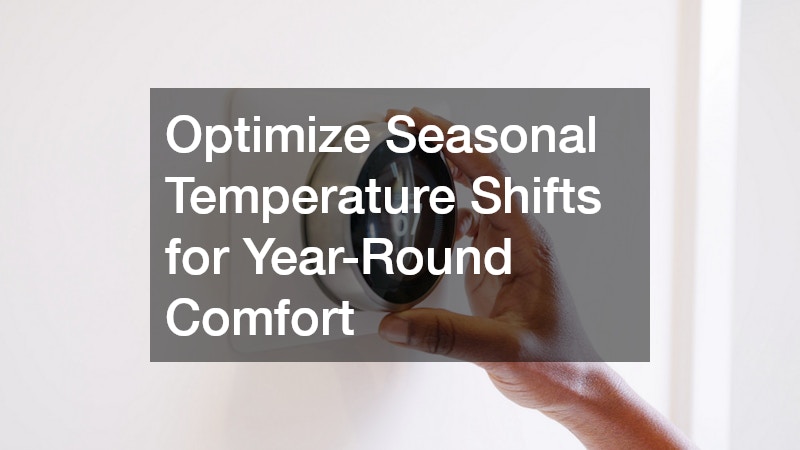
Maintaining a precise, perfectly balanced interior climate inside a luxury residence requires an active, dynamic strategy for managing seasonal shifts. Rapid swings in outdoor temperature and relative humidity place immense operational demands on heating, ventilation, and cooling systems. Without continuous calibration, airflow optimization, and preventive mechanical servicing, even the most sophisticated climate control setups gradually lose efficiency, struggle to equalize temperatures across distinct thermal zones, and create noticeable hot or cold spots across different levels or expansive wings of the house.
To ensure consistent comfort regardless of outside weather conditions, integrate these actionable operational practices into your routine home upkeep:
- Calibrate zoning controls and smart thermostats: Verify that electronic variable-speed dampers open and close precisely according to programmed occupancy schedules. Recalibrate digital sensors annually to prevent mechanical systems from short-cycling or overworking due to minor temperature reading deviations.
- Upgrade to high-efficiency MERV filtration: Standard fiberglass filters allow fine dust, pollen, and airborne debris to pass through, degrading indoor air quality. Upgrade to MERV 11 or MERV 13 media filters to capture microscopic particulates while maintaining optimal static pressure across sensitive evaporator coils.
- Inspect duct integrity and balance static pressure: Unsealed or uninsulated ductwork allows conditioned air to leak into attic or crawlspace voids. Schedule dynamic airflow and static pressure testing to guarantee balanced cubic-feet-per-minute delivery across every room in the floorplan.
- Clean blower assemblies and condenser coils: Dust accumulation on internal blower fans and outdoor coils reduces heat transfer efficiency, forcing motors to draw higher amperage and raising energy consumption.
When preparing central heating systems for severe winter weather, professional evaluation is paramount. Aging heating units lose thermal efficiency over time and can present serious safety hazards if internal heat exchangers develop microscopic stress cracks. Consulting an experienced furnace installation company allows homeowners to audit total thermal output, verify safe fuel combustion, and evaluate modern dual-stage or variable-speed replacements well before mid-winter failure risks arise. Modern high-efficiency systems operate with significantly higher fuel utilization ratings, drastically cutting energy waste while delivering smooth, whisper-quiet warmth throughout the winter season.
Similarly, cooling systems demand meticulous attention during the transition into spring and summer. Delayed cooling cycles, subtle frost accumulation on copper refrigerant lines, or abnormal fan motor vibrations indicate underlying system stress. Securing professional air conditioning repair at the first sign of diminished cooling capacity ensures operating pressures are calibrated, electrical contacts are tightened, and condensate drain lines remain thoroughly clear of organic buildup or blockages. Routine care protects your investment in sophisticated mechanical systems, ensuring your home remains a peaceful refuge of uncompromised comfort throughout every season.
Block Solar Heat and Streamline Off-Grid Energy Sourcing
Uncontrolled solar energy entering through expansive glass facades or custom floor-to-ceiling windows can quickly disrupt a home’s internal thermal equilibrium. Intense solar heat gain forces cooling systems to operate continuously at maximum capacity, driving up energy consumption and accelerating equipment wear. Simultaneously, unfiltered ultraviolet radiation causes irreversible color degradation, surface cracking, and bleaching in natural hardwood floors, custom upholstery, organic wallcoverings, and valuable art collections. Managing solar radiation while establishing resilient off-grid energy sources forms a fundamental pillar of intelligent luxury estate management.
To optimize radiant heat management and off-grid energy reliability, consider the following tactical steps:
- Audit interior solar heat gain patterns: Identify south- and west-facing elevations that absorb intense direct sunlight during peak thermal hours, noting areas where furniture or flooring show early signs of sun exposure.
- Automate solar shading schedules: Program motorized interior roller shades or exterior louvers to adjust automatically based on real-time solar tracking algorithms, lowering solar heat gain during peak afternoon exposure.
- Test back-up power equipment under full load: Conduct quarterly load tests on automatic standby generators and transfer switches to guarantee instantaneous transition during sudden municipal grid outages.
- Maintain dedicated fuel storage infrastructure: Inspect secondary fuel storage tanks and mechanical valves regularly to prevent fuel contamination, moisture buildup, or pressure loss in backup lines.
Addressing solar heat gain directly at the building envelope yields dramatic improvements in energy efficiency while safeguarding high-value interiors. Partnering with a specialized window tinting company provides access to advanced architectural low-emissivity films and spectrally selective ceramic window coatings. These innovative films selectively filter out intense infrared heat and up to 99% of destructive UV rays without darkening interior spaces or altering panoramic outdoor views, allowing natural daylight to fill the home while keeping indoor temperatures perfectly stable.
Parallel to solar energy management, securing an uninterrupted, continuous fuel supply is essential for properties featuring off-grid power backup, outdoor radiant patio heaters, secondary hydronic heating, or professional-grade gas appliances. Working with dependable propane services ensures automated tank monitoring, scheduled winter deliveries, and regular pressure testing of supply lines before heavy heating seasons. Advanced telemetry systems track fuel levels continuously, ensuring your estate remains fully energized through severe weather, grid disruptions, or extended hosting commitments. Investing in passive solar defense and reliable fuel contingencies guarantees that your home maintains its climate, ambience, and operational elegance under any external conditions.
Elevate Daily Hydration with Multi-Stage Filtration Upgrades
Water quality impacts virtually every dimension of daily home life, ranging from the sensory taste of morning coffee and ice clarity to the softness of skin after bathing and the long-term finish of custom bath fixtures. Municipal water supplies and private wells alike frequently contain residual chlorine, high concentrations of hard mineral ions, dissolved heavy metals, and emerging micro-contaminants. Left unaddressed, these impurities leave stubborn mineral deposits on glass, scale up internal pipe walls, pit delicate metal finishes, and reduce the operating efficiency of water-using appliances over time.
Upgrading home water management requires a comprehensive, multi-stage treatment strategy:
- Conduct professional laboratory water analysis: Test water samples for total dissolved solids, hardness grains per gallon, pH balance, heavy metal traces, and municipal treatment byproducts.
- Install whole-home water softening: Neutralize scale-forming calcium and magnesium minerals at the main point of entry, protecting internal supply lines, water heaters, and luxury fixtures from scale build-up.
- Establish regular filtration maintenance schedules: Replace sediment pre-filters, activated carbon blocks, and specialized media beds according to flow volume to prevent bacterial growth and maintain flow velocity.
- Monitor water pressure drop across filters: Install differential pressure gauges before and after primary filter banks to identify clogged cartridges before flow velocity drops significantly at luxury showerheads.
Designing a tailored, long-term water treatment strategy begins with engaging established water treatment companies capable of engineering custom systems around your exact water chemistry profile. Whole-home water softeners, catalytic carbon media filters, and iron filtration systems protect architectural fixture investments, extend the lifespan of heating elements, and deliver smooth, non-drying water to every shower and tap in the residence.
For point-of-use drinking and culinary applications in kitchen islands, wet bars, and primary suites, installing dedicated water purification systems guarantees exceptional clarity and safety. Multi-stage reverse osmosis units combined with sub-micron filtration and alkaline remineralization extract microscopic contaminants, microplastics, heavy metals, and lingering chemicals while restoring essential minerals like calcium and magnesium. The result is pure, balanced water that elevates beverage flavor, enhances culinary prep, and provides absolute peace of mind for daily family hydration. A comprehensive water management strategy protects high-end stone finishes, optimizes appliance performance, and provides clean water tailored to every domestic need.
Prevent Hidden Pipe Leaks and Guarantee Consistent Hot Water Flow
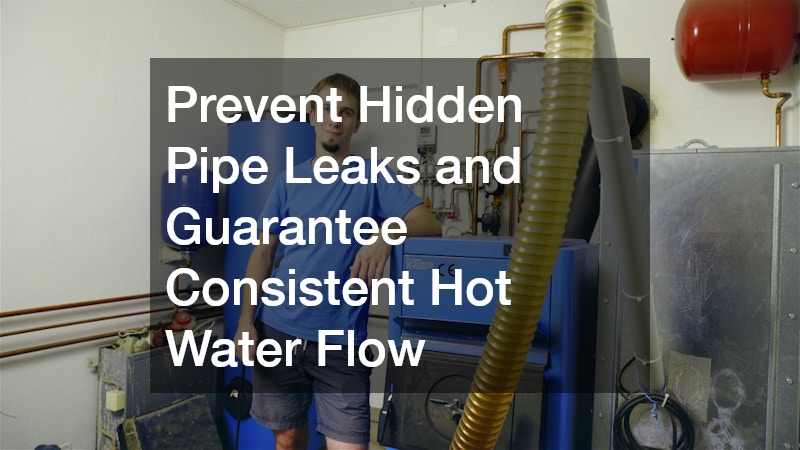
The complex network of supply piping, drainage lines, pressure valves, and hydronic heating loops operating behind walls and beneath slab foundations requires consistent vigilance. Water delivered under continuous domestic pressure exerts steady mechanical force on pipe joints, valves, flex lines, and appliance connections. Unmonitored pressure spikes or small, undetected pinhole leaks can slowly damage structural framing, subflooring, and finish materials long before water becomes visible on living room ceilings or floors.
A proactive maintenance framework for preserving home hydronic infrastructure includes:
- Monitor static municipal pressure: Install a dial water pressure gauge on exterior hose bibbs or main supply lines to confirm incoming pressure stays between 45 and 65 PSI, preventing premature joint failure.
- Replace high-risk appliance supply lines: Swap out standard rubber supply hoses on washing machines, dishwashers, and refrigerator ice makers with high-burst braided stainless-steel flex lines every five years.
- Schedule routine mechanical system flushes: Periodically flush sediment and mineral scale from thermal storage tanks to prevent burner hot spots, reduced heat transfer, and early tank corrosion.
- Inspect main isolation valves and backflow preventers: Exercise main shutoff valves annually to ensure they close fully in emergencies and test backflow prevention assemblies on irrigation and pool fill lines.
Maintaining the continuous structural integrity of your central plumbing lines involves performing routine visual checks on exposed pipe runs, main shutoff valves, and distribution manifolds under sinks and within mechanical utility rooms. Detecting minor green oxidation on copper joints, subtle weeping around valve stems, or minor pressure drops early allows for planned, non-emergency repair work before high-pressure line failures cause massive interior flooding.
Equally important to daily convenience and comfort is maintaining a predictable, instantaneous hot water supply throughout the estate. When you observe unexpected temperature swings, rumbling noises inside storage tanks, or slow recovery times, prompt water heater repair prevents total heating element burnout or sudden tank rupture. Timely replacement of sacrificial anode rods in tank units or routine chemical descaling of heat exchangers in high-efficiency tankless units ensures rapid heat recovery and maximizes the operating lifespan of the system. Combining continuous pressure management with systematic visual checks and proactive equipment servicing safeguards your estate against costly hydronic failures and preserves seamless daily operation.
Mitigate Moisture Spikes Immediately to Preserve Structural Integrity

Uncontrolled moisture is one of the most immediate and destructive threats to a luxury residence. Whether originating from an appliance hose breach, a hidden sub-slab leak, localized appliance overflow, or sudden storm water intrusion, liquid water rapidly saturates porous materials like hardwood subflooring, custom cabinetry, plaster walls, and organic insulation. Beyond immediate cosmetic and structural damage, trapped internal moisture creates ideal conditions for toxic mold growth and wood rot within as little as 24 to 48 hours.
To establish a resilient moisture defense strategy across your entire property, implement these key preventive measures:
- Deploy smart electronic leak detection networks: Install wireless, battery-backed moisture sensors under dishwashers, refrigerator line connections, water heaters, and basement sump wells linked to automatic main shutoff valves.
- Maintain strict indoor relative humidity controls: Keep indoor relative humidity between 35% and 50% using whole-home dehumidification systems to prevent fine joinery, millwork, and plaster from swelling or cracking.
- Inspect perimeter drainage and grading: Ensure foundation downspouts extend at least ten feet away from exterior walls and keep perimeter French drains clear of organic debris.
- Conduct infrared thermal imaging scans: Periodically scan exterior walls and basement foundations with thermal imaging devices to identify hidden moisture intrusion behind finished surfaces before visible staining appears.
When an unexpected water breach occurs, response time determines the total extent of structural loss. Partnering with a reliable provider of immediate water damage services ensures rapid on-site arrival equipped with high-capacity industrial water extractors, commercial air movers, and infrared thermal imaging cameras to track hidden moisture pockets inside wall cavities. Immediate structural extraction prevents severe warping of rare wood floors and stops moisture from migrating into load-bearing framing.
In situations where major flooding or high-volume pipe failure has taken place, executing a systematic water damage restoration plan is essential to restore the home to pristine condition. Certified restoration technicians utilize industrial desiccant dehumidifiers, targeted injection drying systems, and hospital-grade antimicrobial treatments to thoroughly dry structural cavities without requiring destructive tear-out of undamaged surrounding materials. This comprehensive process preserves structural integrity, protects indoor air quality, and safeguards long-term property value. Implementing rapid moisture management safeguards fine millwork, preserves architectural finishes, and maintains an uncompromised interior environment regardless of unexpected environmental hazards.
Sustaining a premium home atmosphere requires a holistic commitment to system precision, environmental control, and proactive maintenance. By dedicating consistent attention to thermal regulation, indoor air purity, advanced water treatment, hydronic integrity, and moisture mitigation, homeowners construct a living environment that delivers exceptional luxury, safety, and efficiency. Establishing a structured quarterly upkeep calendar alongside trusted professional partnerships ensures your estate operates as a flawless, high-performance sanctuary that retains its value and provides effortless comfort for decades to come. Prioritizing preventive care transforms home maintenance into a seamless strategy for luxury preservation, giving you total confidence in your property’s performance and long-term value.