A functional home doesn’t happen by chance. It comes from clear planning, smart upgrades, and a focus on how each space supports daily life. From the lowest level to the outdoor living areas, every part of the home can work harder and feel more comfortable.
Many homeowners struggle with wasted space, poor lighting, or layouts that no longer fit their routines. The good news is that most of these issues can be corrected with thoughtful changes. The key is to approach the home as a connected system rather than a series of isolated rooms.
This guide walks through practical ways to improve usability, comfort, and long-term value—starting below ground and moving all the way to the backyard.
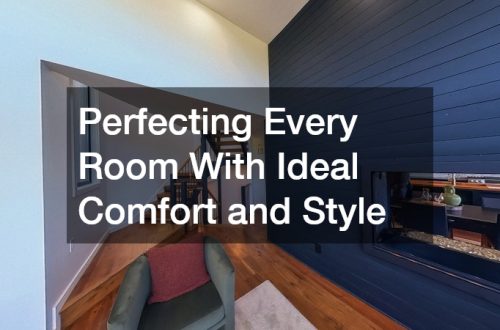
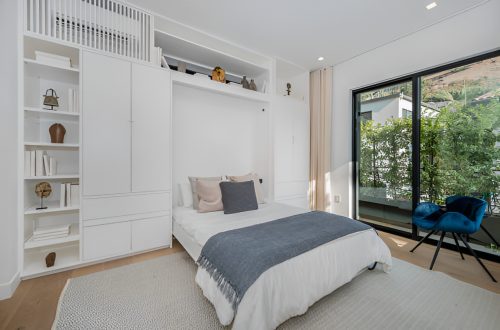
By prioritizing areas such as storage solutions and multifunctional furniture, homeowners can maximize their space while enhancing style and efficiency. Incorporating smart technology can also streamline daily tasks and improve energy efficiency, further elevating the overall living experience. Embrace the idea that every corner of your home can contribute to a harmonious and functional lifestyle.
Strengthening the Foundation of a Functional Home
A home’s functionality starts where most people rarely look: the basement. If this space is damp, musty, or underused, it limits what the rest of the home can become.
Moisture is often the main problem. Water intrusion can damage materials, affect air quality, and make the space unusable. Addressing this early changes everything. Hiring a basement waterproofing service allows homeowners to resolve leaks, control humidity, and create a stable environment for future improvements.
Once moisture is under control, the basement becomes a blank canvas. This is where experienced basement finishing contractors step in. They can transform the area into a living space that serves real needs, whether that’s a home office, guest suite, or entertainment room.
A finished basement can provide:
- Extra living space without expanding the home’s footprint
- Better insulation and energy efficiency
- Increased property value
- A quieter, more private area for work or relaxation
When done right, the basement shifts from being a storage zone to a key part of everyday living.
Improving Flow and Purpose Throughout the Main Living Areas
After addressing the lower level, the focus moves to the main floor. This is where daily life happens, and small inefficiencies can add up quickly.
Many older homes have layouts that feel closed off or outdated. Walls block movement, and rooms don’t serve clear purposes. Working with home remodeling contractors can help reconfigure these spaces in a way that feels open and practical.
Instead of thinking room by room, consider how each space connects. For example, the kitchen, dining area, and living room should support easy movement and shared use.
Key improvements often include:
- Removing unnecessary walls to create open sightlines
- Expanding kitchens for better workflow
- Adding built-in storage to reduce clutter
- Creating flexible spaces that serve multiple functions
Lighting also plays a major role in how a space feels and functions. Strategic use of custom lighting can highlight work areas, improve visibility, and set the right mood for different times of day.
Layered lighting works best:
- Ambient lighting for general visibility
- Task lighting for focused activities like cooking or reading
- Accent lighting to highlight architectural features
These changes help the main living areas feel more intuitive and comfortable.
Enhancing Natural Light and Energy Efficiency
Natural light has a direct impact on how a home feels. Dark interiors can seem smaller and less inviting, while brighter spaces feel open and energized.
One of the most effective ways to improve this is through window replacements. Older windows often limit light, reduce insulation, and increase energy costs. Upgrading them allows more daylight in while improving temperature control.
In addition to windows, entry door glass can make a noticeable difference. A well-designed front door with glass panels allows light to flow into entryways that are often dim. It also creates a more welcoming first impression.
These upgrades offer several benefits:
- Increased natural light throughout the home
- Improved energy efficiency and lower utility bills
- Better indoor comfort year-round
- Enhanced curb appeal
Together, they help create a home that feels brighter, more open, and more connected to the outdoors.
Protecting the Structure While Supporting Functionality
Functionality isn’t just about how a home looks or feels. It also depends on how well the structure holds up over time.
Roofing and drainage systems play a critical role here. Issues in these areas can lead to leaks, mold, and long-term damage that disrupts daily life.
Working with local roofing contractors helps keep the home protected from weather-related wear. Regular inspections and timely repairs prevent small problems from becoming major expenses.
At the same time, proper drainage is essential. A reliable gutter contractor can install and maintain systems that direct water away from the home’s foundation. This reduces the risk of flooding and structural damage.
Important maintenance steps include:
- Checking the roof for missing or damaged shingles
- Cleaning and repairing gutters regularly
- Ensuring downspouts direct water away from the home
- Addressing signs of water damage quickly
By staying ahead of these issues, homeowners protect both the structure and the functionality of their living spaces.
Expanding Living Space Beyond the Interior
A functional home doesn’t stop at the back door. Outdoor areas can serve as valuable extensions of indoor living space when designed with intention.
Many homeowners are turning their backyards into usable environments for cooking, relaxing, and entertaining. Collaborating with outdoor kitchen contractors makes it possible to create spaces that are both practical and enjoyable.
An outdoor kitchen can include:
- Built-in grills and prep areas
- Weather-resistant storage
- Seating for gatherings
- Lighting for evening use
These features turn the backyard into a true living area rather than just open space.
For those needing even more flexibility, modular homes and ADUs offer a unique solution. These structures can serve as guest houses, rental units, or private workspaces. They provide additional room without requiring major changes to the main home.
Benefits of modular homes and adus include:
- Increased living space for family or guests
- Potential rental income opportunities
- Greater flexibility for changing needs
- A clear separation between work and home life
These outdoor and auxiliary upgrades help homeowners make the most of their entire property.
Designing Practical Storage Solutions for Everyday Living
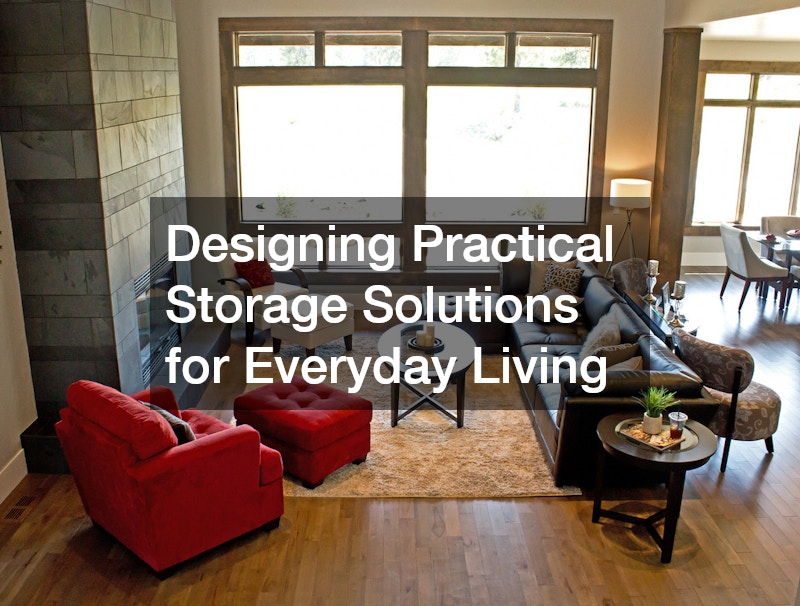
Clutter quickly reduces how functional a home feels. Even well-designed spaces can become frustrating when storage is limited or poorly planned.
Creating intentional storage solutions improves both organization and usability. Built-ins, multi-purpose furniture, and hidden storage areas can all help maximize available space without adding square footage.
Working with home remodeling contractors allows homeowners to integrate storage directly into the design of each room. This approach avoids bulky, mismatched furniture and creates a cleaner look.
Lighting also supports better organization. Adding custom lighting inside closets, cabinets, and storage zones makes it easier to find items and maintain order.
Effective storage upgrades often include:
- Built-in shelving for living rooms and offices
- Under-stair storage for unused areas
- Closet systems that maximize vertical space
- Kitchen storage solutions like pull-out drawers
When storage is planned with intention, daily routines become simpler and less stressful.
Creating Flexible Spaces for Changing Needs
Homes need to adapt as lifestyles change. A room that works today may not meet future needs, especially as families grow or work habits shift.
Designing flexible spaces allows homeowners to adjust without major renovations later. Finished basements, bonus rooms, and outdoor structures all provide opportunities for multi-use areas.
Basements, in particular, benefit from proper preparation. A basement waterproofing service creates a stable environment, making it easier to repurpose the space over time. From there, basement finishing contractors can design layouts that support multiple uses, such as a home gym that doubles as a guest room.
Flexible design ideas include:
- Sliding partitions to divide larger rooms
- Furniture that can be easily rearranged
- Spaces that support both work and relaxation
- Multi-use rooms that serve different purposes throughout the day
This approach helps homeowners get more value from every square foot.
Improving Comfort With Better Airflow and Insulation
Comfort plays a major role in how functional a home feels. Poor airflow, uneven temperatures, and drafts can make even the best-designed spaces uncomfortable.
Upgrading insulation and sealing gaps around windows and doors can significantly improve indoor conditions. Window replacements help regulate temperature while reducing noise and energy loss.
Entry points also matter. Installing entry door glass with proper sealing improves both light and insulation, preventing drafts while maintaining a comfortable indoor environment.
Additional steps to improve comfort include:
- Sealing gaps around doors and windows
- Adding insulation in attics and walls
- Using ceiling fans to improve airflow
- Maintaining HVAC systems regularly
These changes create a more consistent indoor climate, making every room easier to use year-round.
Boosting Curb Appeal While Supporting Function

The exterior of a home should do more than look good. It should also protect the structure and support long-term performance.
Roofing and drainage systems are key components. Local roofing contractors can identify weak points and recommend updates that improve durability. At the same time, a gutter contractor can adjust drainage systems to prevent water buildup around the home.
Curb appeal improvements can also include:
- Updating siding for better insulation
- Improving landscaping for proper water flow
- Adding pathways for safer access
- Enhancing entry points for better usability
When exterior upgrades combine form and function, the home becomes more reliable and visually appealing.
Planning Projects in the Right Order
Taking on too many upgrades at once can lead to stress and unnecessary expenses. A phased approach helps homeowners stay organized and focused.
Start with structural and moisture-related issues before moving on to cosmetic changes. For example, addressing roof repairs with local roofing contractors should come before interior renovations.
A smart project order might look like this:
- Fix structural issues and water problems
- Upgrade insulation and windows
- Improve layout and storage
- Enhance lighting and finishes
- Expand into outdoor living areas
Working with home remodeling contractors can help prioritize projects and create a clear plan.
This step-by-step process reduces disruptions and keeps each improvement aligned with long-term goals.
Creating Cohesion From Basement to Backyard
A truly functional home feels connected from one space to the next. Each area should support the others rather than compete for attention.
Consistency in design and materials helps achieve this. Flooring, color schemes, and finishes should flow naturally throughout the home, creating a sense of unity.
It also helps to think about how each upgrade fits into a larger plan. For example:
- A finished basement can align with the style of the main floor
- Outdoor spaces can mirror indoor design elements
- Lighting choices can create a consistent atmosphere throughout
Planning ahead prevents mismatched upgrades and ensures that each improvement adds to the overall experience.
Making Smart Decisions That Support Long-Term Living
Functionality isn’t just about today. It’s about how the home will perform in the years ahead.
When planning upgrades, consider:
- How needs may change over time
- The durability of the materials being used
- Energy efficiency and maintenance requirements
- The return on investment for each improvement
Taking a long-term view helps homeowners avoid costly changes later.
It’s also important to prioritize projects based on impact. Addressing structural issues and major inefficiencies first creates a strong foundation for future upgrades.
Transforming Your Home: Creating a Harmonious Living Space
A more functional home comes from thoughtful changes that improve how each space is used. By starting with the basement, refining the main living areas, and extending usability into the backyard, homeowners can create an environment that supports daily life with less friction.
Each upgrade plays a role in making the home more comfortable, efficient, and adaptable. With the right approach, the entire property can work together as one cohesive, practical space.
In addition to these strategic upgrades, it’s essential to consider the long-term impact of each change. Homeowners should prioritize sustainable materials and energy-efficient solutions that not only enhance the functionality of their space but also contribute to environmental conservation. By integrating smart technology and innovative design, each improvement can foster a more sustainable lifestyle. Ultimately, the goal is to create a home that not only meets the needs of today but also adapts to the changing dynamics of family life in the years to come.