
Major property damage or sudden system failures can turn everyday life upside down. Whether the cause is a severe storm, aging infrastructure, or an unexpected mechanical breakdown, homeowners are often left trying to make decisions under pressure. Beyond the visible damage, there’s the emotional toll of disruption, uncertainty, and the feeling that everything must be handled at once. Many homeowners struggle not because repairs are impossible, but because coordinating them feels overwhelming.
Effective repair management starts with understanding that recovery is a process, not a single event. Each decision influences the next, and rushing without a clear plan can create delays or setbacks later. Organization, communication, and sequencing matter just as much as the repairs themselves. Knowing what to address first and how different services interact helps homeowners regain control during stressful situations.
This guide breaks down how to manage repairs step by step after major damage or system failures. By approaching recovery with structure and foresight, homeowners can reduce confusion, protect their property, and move toward restoration with greater confidence.
Preparing the Property for Safe and Strategic Recovery
Before visible repairs can begin, the property itself must be evaluated and stabilized. In some cases, groundwork or debris removal is necessary to allow other specialists safe access. When an excavating company becomes involved, it’s often because damage extends below the surface or affects drainage, foundations, or access points. This type of work sets the stage for everything that follows.
Homeowners benefit from understanding how early site preparation affects scheduling. Excavation may uncover additional concerns or require inspections that influence timelines. Coordinating this work first prevents later interruptions and reduces the risk of having to undo completed repairs. Clear documentation of what was addressed during this phase helps future professionals understand the site’s condition.
Communication during preparation is essential. Homeowners should ask questions, request updates, and confirm when areas are cleared for the next phase. Treating site preparation as a foundational step rather than a preliminary inconvenience helps create a smoother path forward for the entire repair process.
Organizing Oversight Responsibilities During Multi-Phase Repairs

When multiple specialists are involved, responsibility can become unclear without intentional oversight. Homeowners often find themselves acting as coordinators, making it important to define roles early. Clear communication among site owners and service providers helps prevent confusion about access, scheduling, and accountability.
Keeping written records is one of the most effective ways to maintain order. Notes about who completed which tasks and when allow homeowners to track progress and quickly resolve discrepancies. Shared calendars or centralized communication tools also help align expectations and reduce last-minute changes.
Oversight doesn’t require constant supervision, but it does benefit from consistency. Regular check-ins and documented milestones keep the repair process moving forward. When homeowners establish clear organizational habits early, they create a structure that supports smoother collaboration throughout every phase of recovery.
Addressing Structural Repairs That Protect the Home
Structural repairs often form the backbone of property recovery, particularly after storms or long-term wear. When working with roofing contractors, homeowners should prioritize clear timelines and completion benchmarks, as roofing impacts nearly every other repair decision. A secure structure protects interior spaces and materials from further exposure.
Roof-related work frequently determines when interior repairs can begin. Delays or miscommunication at this stage can stall progress across the entire project. Homeowners benefit from confirming inspection requirements and material delivery schedules early to avoid bottlenecks.
Documenting structural repairs provides long-term value. Completion reports and warranties help future professionals understand what work has already been performed. Treating structural repairs as a central coordination point helps homeowners manage the flow of all subsequent repairs more effectively.
Managing Mechanical Failures That Disrupt Daily Living
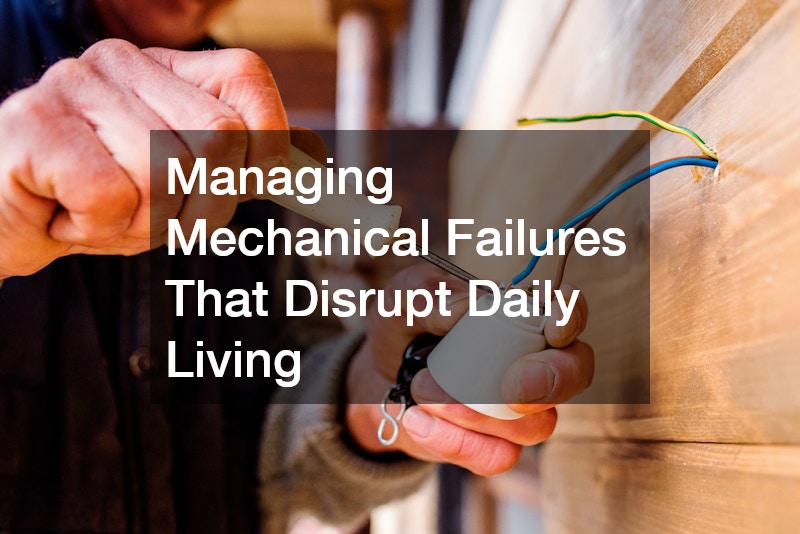
System failures can be particularly disruptive because they affect comfort and habitability. When air conditioning replacement is required, timing becomes critical, especially during extreme temperatures. Mechanical repairs often depend on access to electrical systems, framing, and finished spaces, making coordination essential.
Homeowners should confirm prerequisites before scheduling mechanical work. Knowing which repairs must be completed first prevents unnecessary delays. Clear communication with technicians helps align expectations and reduces repeat visits.
Mechanical systems may not always be visible once repairs are complete, but their impact is ongoing. Keeping records of installation details and inspections supports future maintenance and confidence in system performance. Addressing system failures with careful planning helps restore normalcy more efficiently.
Planning Temporary Living Arrangements During Repairs
After major property damage, homeowners often underestimate how disruptive repairs can be to daily routines. Noise, dust, limited access to essential spaces, and safety concerns may make remaining in the home impractical. Planning temporary living arrangements early helps reduce stress and prevents rushed decisions later. This step is not about inconvenience alone but about maintaining stability for everyone involved while repairs are underway.
Coordinating moving services may become necessary when repairs affect kitchens, bathrooms, or sleeping areas. Packing belongings, securing valuables, and arranging short-term storage all require lead time. Homeowners who plan these logistics alongside repair schedules avoid last-minute scrambling and reduce the risk of damage to personal items during construction.
Clear communication with contractors is essential during this phase. Knowing how long relocation may be necessary helps homeowners choose appropriate solutions. Temporary housing planning allows repairs to proceed efficiently without daily disruptions, creating a healthier environment for both residents and repair crews.
Strengthening the Home Against Future Storm Events
After experiencing major damage, many homeowners choose to incorporate preventative upgrades into their repair plans. Storm-resistant features can help reduce future risk and increase peace of mind. These upgrades are often best completed while structural repairs are already underway, as access is easier and integration is more seamless.
Installing hurricane sliding doors is one example of combining restoration with resilience. These doors provide added protection while also improving functionality and light access. Homeowners should coordinate these installations with framing, weatherproofing, and inspection schedules to avoid delays.
Preventative improvements work best when viewed as part of a long-term strategy rather than a reactive fix. Planning upgrades during recovery helps homeowners emerge from repairs with a stronger, more durable home prepared for future challenges.
Addressing Moisture Intrusion and Interior Damage
Water intrusion often causes damage that extends beyond what is immediately visible. Walls, flooring, insulation, and substructures may all be affected. Engaging a water damage company early helps assess moisture spread and prevent secondary issues such as mold or material deterioration.
Moisture mitigation must occur before reconstruction begins. Drying, dehumidification, and verification steps are essential to protect future repairs. Homeowners benefit from receiving documentation that confirms moisture levels are within acceptable ranges before moving forward.
Proper moisture management protects investments made during later repair stages. Skipping or rushing this phase increases the risk of repeated damage. Treating water mitigation as a core recovery step supports long-term structural health and interior durability.
Beyond the immediate drying and mitigation process, homeowners should also think about how moisture exposure can affect materials over time. Even after visible water is removed, lingering dampness can weaken framing, degrade insulation, and affect adhesives or finishes used later in reconstruction. Allowing adequate time for drying and verification helps prevent subtle problems that may not appear until months after repairs are complete. Patience at this stage supports better outcomes later.
Moisture exposure can also influence decisions about material selection during rebuilding. Some materials are more resilient in humid environments, while others may require additional protective measures. Discussing these considerations during recovery allows homeowners to make choices that align with the property’s conditions rather than rushing to restore appearances alone.
Finally, keeping thorough records from this phase adds long-term value. Moisture readings, clearance reports, and photos taken before rebuilding can help resolve questions in the future if concerns arise. Treating moisture management as a foundational step rather than a temporary inconvenience supports the durability and stability of the entire repair effort.
Coordinating Cleanup After Fire or Smoke Exposure

Fire-related damage often leaves behind residue that affects air quality and surfaces throughout the home. Even areas untouched by flames may require specialized attention. Scheduling smoke damage cleaning early helps remove lingering contaminants before repairs seal them in.
This process often involves cleaning walls, ceilings, ducts, and personal belongings. Homeowners should confirm which areas are included and how long surfaces must remain accessible. Clear sequencing prevents conflicts with reconstruction or finishing work.
Cleanup also plays a role in restoring comfort. Removing odors and residue helps make the home feel livable again. Addressing smoke-related concerns thoroughly supports both physical recovery and emotional well-being after a damaging event.
Cleanup following fire-related damage is not only about restoring surfaces but also about improving overall indoor conditions. Residue left behind can cling to porous materials and circulate through airflow systems if not addressed properly. Homeowners benefit from understanding how cleanup methods affect both visible areas and less obvious spaces throughout the property.
Scheduling cleanup alongside ventilation and filtration improvements can further support indoor recovery. Odors and particles may persist longer in enclosed areas, making it helpful to coordinate cleaning with airflow adjustments or system checks. This coordinated approach reduces the likelihood of lingering discomfort once rebuilding begins.
Emotional recovery also plays a role during this stage. Returning to a space affected by fire can be difficult, and thorough cleanup helps create a sense of progress. Restoring a healthier environment allows homeowners to focus on rebuilding rather than constant reminders of the damage. Treating cleanup as both a physical and emotional step forward supports the overall recovery process.
Replacing Damaged Openings and Exterior Features
Openings such as windows and doors are often vulnerable during storms or structural failures. Addressing these elements restores security, weather protection, and energy efficiency. Scheduling window glass replacement at the correct stage prevents exposure to the elements and protects interior finishes.
Measurements, delivery timelines, and inspections must be coordinated carefully. Homeowners should confirm that surrounding repairs are complete before installation to avoid rework. Clear communication with installers helps align expectations and prevent delays.
Replacing openings is often one of the final visible steps in recovery. Completing this phase successfully provides a sense of closure and signals a return to normalcy for the household.
Beyond function and protection, openings contribute significantly to comfort and daily living. Properly installed windows influence light, airflow, and noise levels inside the home. Taking time to review placement, alignment, and sealing details helps ensure these elements perform as expected long after installation is complete.
Restoring Outdoor Areas and Usable Spaces
Exterior areas often sustain damage during major property events. Yards, drainage areas, and recreational spaces may require restoration once structural and interior repairs are complete. Coordinating artificial turf installations or similar landscaping work helps return functionality and curb appeal.
Outdoor restoration should be scheduled after heavy equipment and utility work conclude. This prevents unnecessary disruption and protects finished surfaces. Homeowners benefit from viewing outdoor work as the final phase rather than an afterthought.
Restoring exterior spaces helps complete the recovery process. A functional, usable outdoor environment supports daily life and reflects the progress made throughout the repair journey.
Managing repairs after major property damage or system failures is rarely simple, but organization and sequencing make a meaningful difference. Each phase builds on the last, and thoughtful coordination reduces delays, miscommunication, and unnecessary stress. Homeowners who approach recovery with structure are better positioned to protect both their property and their peace of mind.
From initial stabilization to final restoration, recovery is a process that rewards patience and planning. Clear documentation, realistic timelines, and consistent communication support smoother outcomes across every stage. When homeowners stay engaged and informed, they create conditions for successful collaboration among all involved specialists.
By treating recovery as a guided process rather than a series of urgent reactions, homeowners can move forward with confidence. With preparation and attention to detail, even extensive repairs can lead to a stronger, more resilient home.